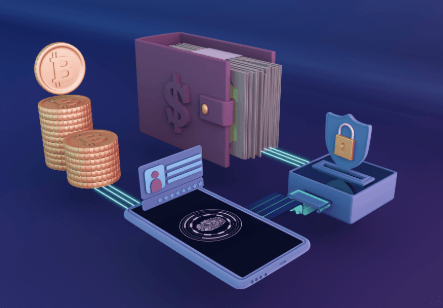
Hot wallets offer constant online access but at a cost: they are more exposed to phishing, credential theft, input tampering, and malware. Vulnerabilities grow with insecure interfaces and outdated libraries. Practical safeguards exist, such as multi-factor authentication, device whitelists, and clear recovery procedures, yet they require disciplined credential hygiene and transparent guidance. The balance between accessibility and security hinges on risk tolerance and access needs, suggesting a segmented approach that constrains online exposure while preserving usability—an equation not yet settled.
What Makes a Hot Wallet Vulnerable
Hot wallets, by design, prioritize accessibility over security, making them particularly vulnerable to threats that exploit constant online exposure. In hot storage, continuous connectivity amplifies risk, as credentials can be intercepted or replayed. Phishing risks target user input and interfaces; two step verification can deter but not prevent clever exploits. Device malware remains a persistent, underlying threat to access integrity.
Common Attack Vectors in Real Terms
Common attack vectors leverage the constant online presence and interface exposure of hot wallets to harvest credentials, manipulate inputs, or exploit software weaknesses.
Analysts observe recurring patterns: credential theft via phishing channels, input tampering through insecure interfaces, and exploitations of outdated libraries.
Insufficient safeguards erode resilience, while phishing resilience remains central to determining real-world risk and user risk management, swiftly.
Practical Safeguards for Everyday Use
Are everyday safeguards sufficient to curb hot wallet risk without sacrificing usability?
The analysis identifies practical steps that balance risk reduction with user autonomy.
Implementing multi-factor authentication, device whitelists, and regular credential hygiene enhances data privacy while preserving fluid user experience.
Clear recovery procedures and transparent permissions minimize opacity, supporting informed decisions without overburdening the user.
Deciding Between Hot Wallets and Cold Storage
The choice between hot wallets and cold storage hinges on a trade-off between convenience and security, requiring a clear assessment of risk tolerance, access needs, and threat models.
In practice, hot wallet usability governs day-to-day transactions, while private key management dictates long-term resilience.
A balanced approach favors segmented exposure, mixing secure custody with controlled online access to sustain freedom and operational agility.
See also: Biometric Security: Safe or Risky?
Frequently Asked Questions
How Do Hot Wallets Differ From Web Wallets in Practice?
Hot wallet vs web wallet differ in storage approach: hot wallets hold private keys locally on devices, while web wallets access keys through online services. Practical security differences center on control, attack surface, and reliance on third-party safeguards and uptime.
Can Hot Wallets Protect Multi-Sig Setups Effectively?
The statistic shows 60% of breaches exploit recovery phrase leakage, undermining hot wallet vs multisig protections. Hot wallet vs multisig can be insufficient; recovery phrase leakage remains a critical risk, weakening multi-sig resilience and demanding layered security imperatives.
What Are Hidden Risks of Mobile Hot Wallets?
Mobile hot wallets harbor hidden risks such as malware, credential leakage, and supply-chain tampering, potentially eroding user trust; their convenience challenges privacy and security boundaries. An analytical view notes risk-reward trade-offs, urging vigilant, freedom-minded risk assessment.
Do Hot Wallets Support Hardware Integration or Only Software?
Absolutely not: hot wallets primarily operate as software, with limited or no hardware integration beyond optional hardware wallets; hardware integration vs. software only remains nuanced, while hot wallet vs. web wallet nuances define accessibility and security trade-offs.
How Does Recovery Phrase Exposure Affect Hot Wallet Security?
Recovery phrase exposure increases hot wallet risk modeling complexity, revealing potential simulator-driven attack vectors and user behavior gaps. It amplifies threat surface, demanding rigorous risk assessment, mitigations, and ongoing monitoring to preserve autonomy and secure, freedom-oriented crypto usage.
Conclusion
Hot wallets offer instant access but come with inherent exposure to phishing, credential theft, and malware. Real-world attack vectors exploit user habits, software flaws, and interface weaknesses, often leading to credential compromise or unauthorized transfers. Practical safeguards—phishing resilience, credential hygiene, MFA, device whitelists, and clear recovery procedures—mitigate risk while preserving usability. The hot-vs-cold choice reflects risk tolerance and access needs; a segmented custody approach can balance both. Like a tempered flame, controlled hot storage provides convenience without reckless exposure.