A car that looks right after a collision can still be wrong underneath. Panels line up, paint shines, and the damage that matters sits out of sight in the structure. Auto body repair done properly deals with what the eye misses, which is why the process behind the finish matters far more than the finish itself.
Most drivers judge a shop by how fast the keys come back. That measure hides a lot. Quality auto body repair follows a documented sequence that moves from inspection through correction to verification, and every stage exists because something measurable can go wrong at that point. Knowing the sequence turns a stressful handover into an informed one.
The Hidden Damage a Fast Turnaround Leaves Behind
Structural Harm Hidden beneath Straight Panels: Modern vehicles absorb crash energy through crumple zones and reinforced rails, and those parts deform by design. A bumper cover can conceal a crushed absorber and a shifted rail sitting directly behind it. Nothing about the exterior tells that story, which is why a visual estimate written in a parking lot rarely reflects the true condition of a car.
What Postponed Repairs Cost Later: In everyday shop practice, estimators regularly see vehicles brought in months after a minor collision, where a small misalignment has already worn tires unevenly and pulled the steering slightly off center. Waiting narrows the options. Corrosion starts at every bare edge left unsealed, and what began as a panel job turns into replacement work.
Claim Review and Teardown Shape the Entire Repair Plan
The Written Repair Plan Comes First: The work begins with a claim review, where the shop and the insurer agree on which parts get repaired rather than replaced and how each operation will be documented. Photographs and line-item estimates support that record from the start. A driver who understands this stage can ask better questions before authorizing anything.
Disassembly Reveals the Full Damage Picture: Teardown is the point where auto body repair stops being an estimate and becomes a fact. Technicians remove bumper covers and interior trim to expose mounting points and welds that no exterior inspection can reach. Supplements to the original estimate almost always follow, and that signals thoroughness rather than a problem.
Precise Measurement and Color Work under Controlled Conditions
Frame Alignment Verified against Factory Specifications: Computerized measuring systems compare dozens of reference points on a damaged vehicle against the manufacturer’s original build data. This is three-dimensional coordinate measurement applied to a car body, and it catches millimeter deviations no straightedge would ever find. Suspension geometry and safety sensor aim both depend on those points sitting where the factory placed them.
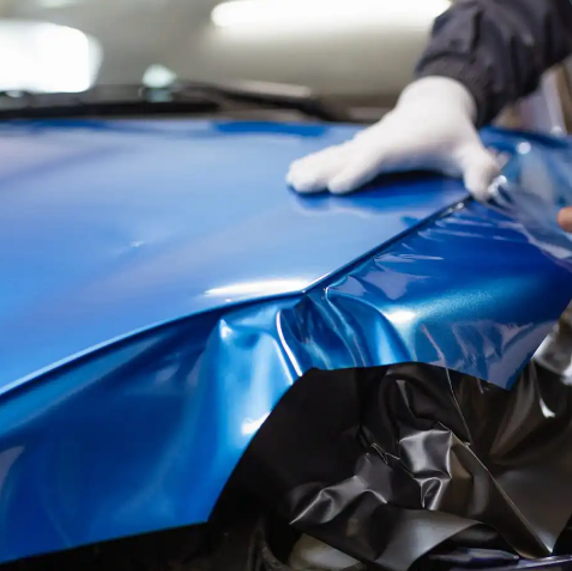
Refinishing Matched to the Original Paint Code: Paint work relies on spectrophotometric color matching rather than eyesight, because a factory color fades differently on a sun-exposed roof than on a rocker panel. A reading taken from the actual vehicle produces a blend formula for the panels being sprayed. Curing then happens under controlled heat so the finish hardens evenly instead of staying soft.
See also: 10 Countertop Fabrication Management Software Tools Worth Comparing Right Now
Reassembly Checks and the Case against a Rushed Return
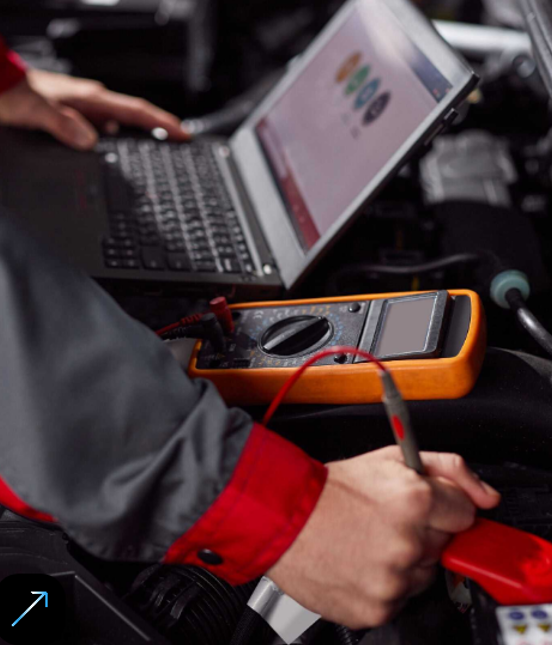
Reassembly and Final Inspection before Release: Reassembly restores trim and glass to their mounting points, and calibration follows for any camera or radar sensor disturbed during the work. A final inspection covers panel gaps and a road test, followed by a diagnostic scan for stored fault codes. Cleaning comes last, and it is the only stage most customers actually witness.
Speed Compared with Documented Completeness: A fast cosmetic repair costs less and returns the car within days, which suits a light scuff on a bumper cover with nothing damaged behind it. Full-process auto body repair takes longer and asks more of the insurer, though it remains the only route that verifies structure and safety systems. The trade-off is time against certainty.
Practical Markers of a Repair Done Properly
Simple Signs of a Thorough Job: Judging auto body repair without technical training is easier than most drivers expect, because a proper process leaves visible evidence in the paperwork and in the car itself. The markers below work as a practical checklist for anyone collecting a vehicle and unsure what deserves a second look before signing a release form.
- A written repair plan should list every operation performed rather than a single lump-sum figure.
- Pre-repair and post-repair measurement printouts confirm the structure was checked rather than assumed.
- Any vehicle with driver assistance features needs a calibration record after body or glass work.
- A post-repair diagnostic scan report shows no fault codes were left stored in the system.
- Warranty terms should be explained in writing before the vehicle leaves the property.
The Car You Get Back Should Match the One You Had
A complete repair restores far more than appearance. It returns the crash structure and the safety electronics to the condition they held before impact, and it protects the resale record along the way. Appearance is the easiest item on that list to deliver and the least useful measure of whether the work succeeded.
Every week a damaged vehicle stays on the road, small misalignments do quiet work on tires and on sealed seams that were never meant to sit open. A proper assessment settles the question early and costs nothing beyond an appointment. Book an inspection with a qualified collision shop and ask to see the measurement report before any repair begins.