Professional kitchens are constantly looking for ways to improve preparation efficiency without compromising food quality or workplace safety. Equipment used for aerating ingredients, preparing desserts, and creating consistent textures can be particularly valuable in restaurants, cafés, bakeries, and catering operations.
As culinary businesses grow, they may move from occasional preparation toward systems designed for more frequent professional use. This can involve larger-format gas containers, specialized dispensers, and established procedures for storage and handling. Understanding how these components fit into a kitchen workflow is important before introducing them into daily operations.
The choice of equipment should always be based on the manufacturer’s specifications, intended culinary application, compatibility, and appropriate safety procedures.
The Role of Pressurized Culinary Equipment
Certain culinary preparation systems use food-grade gases to help aerate ingredients. One familiar application is the preparation of whipped cream, where a compatible dispenser and appropriate charger work together to create the desired texture.
For commercial kitchens, equipment selection is not simply about capacity. Businesses must also consider how frequently equipment will be used, where it will be stored, how employees will handle it, and how components will be cleaned.
Because pressurized containers require careful handling, kitchen managers should make sure that employees understand the equipment before incorporating it into regular service.
Why Larger Formats May Be Relevant
Different culinary operations have different preparation requirements. A small kitchen may prepare whipped cream occasionally, while a busy hospitality business may use its equipment repeatedly throughout the day.
Larger-format systems can be considered when a kitchen needs equipment suitable for its particular workflow. However, the appropriate choice depends on the compatible dispenser and the manufacturer’s specifications rather than simply selecting the largest available option.
Businesses should evaluate their actual usage patterns before introducing a new format. This can help prevent unnecessary equipment changes and ensure that staff have a setup they can operate correctly.
Understanding Compatibility
Compatibility is one of the first factors to check when selecting culinary gas equipment.
A container should only be connected to equipment that has been designed and approved for that particular application. Product specifications can provide important information about connection systems, capacity, operating conditions, and intended use.
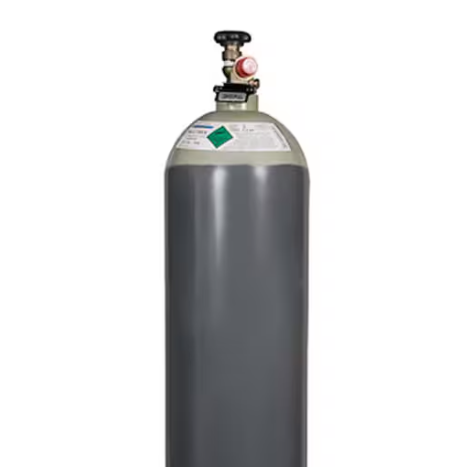
For businesses researching a 640g nitrous oxide product for culinary equipment, it is important to review the manufacturer’s information and confirm that the equipment is appropriate before use.
This step is especially important because pressurized systems should never be adapted or modified to work with incompatible equipment.
Storage Considerations
Proper storage is an important part of managing pressurized culinary products.
Storage areas should follow the manufacturer’s recommendations and protect containers from excessive heat, direct sunlight, physical damage, and other unsuitable conditions. Containers should also be kept in an organized location where they are unlikely to be knocked over or mishandled.
Commercial kitchens may benefit from designating a specific storage area for pressurized culinary equipment. Clear organization makes it easier for employees to locate products while reducing unnecessary movement around busy preparation areas.
Storage procedures should also be included in employee training so that everyone understands the same basic requirements.
Safe Handling Practices
Pressurized containers should always be handled carefully. Employees should read the relevant instructions before using the equipment and should understand the correct assembly procedure.
Containers should never be punctured, heated, deliberately damaged, or modified. Staff should also avoid using them for purposes outside the manufacturer’s intended culinary application.
A simple safety policy can help businesses maintain consistent practices. This may include checking containers before use, following equipment instructions, storing unused components correctly, and disposing of used containers according to applicable local requirements.
Supporting Efficient Kitchen Operations
Efficiency is not only about speed. A well-designed kitchen workflow should also reduce unnecessary movement, confusion, and equipment misuse.
When culinary equipment has a clearly defined location and staff know how to operate it, preparation can become more predictable. Employees can focus on preparing food instead of searching for equipment or troubleshooting avoidable problems.
For businesses with several employees, standard operating procedures can be useful. A short written procedure can explain how equipment should be assembled, used, cleaned, and stored.
Cleaning and Maintenance
Food-contact equipment requires regular cleaning and maintenance. Cream residue and other ingredients can accumulate around small components, particularly valves, seals, and dispensing nozzles.
Cleaning should always follow the equipment manufacturer’s instructions. Components should be inspected regularly, and damaged or worn parts should not be used if they could affect safe operation.
A maintenance schedule can be particularly useful in professional kitchens. Employees can record routine cleaning and inspections, making it easier for managers to identify equipment that requires attention.
Choosing Between Different Materials
Professional culinary containers may be manufactured from different materials depending on their design and intended application. Material selection can influence factors such as weight, durability, handling, and storage.
The appropriate material depends on the equipment and application. Businesses should rely on manufacturer specifications rather than choosing based solely on appearance or assumptions.
For mobile catering operations, weight and portability may be important. A fixed commercial kitchen may place greater emphasis on workflow integration and storage arrangements.
Staff Training Matters
Even reliable equipment can become difficult to manage when employees have not received appropriate instructions.
Training should cover basic equipment compatibility, safe handling, storage, cleaning, and emergency procedures relevant to the workplace. Employees should know what to do if equipment appears damaged or does not operate as expected.
Managers can reinforce training with clear instructions and regular reminders. This is particularly useful when new employees join a kitchen team.
Good training also helps create accountability. Everyone understands that pressurized culinary equipment requires the same careful treatment regardless of how frequently it is used.
Building a Responsible Workflow
A responsible kitchen workflow combines equipment selection with practical procedures.
Before using a new product, managers can review the manufacturer’s documentation, confirm compatibility with existing equipment, identify a suitable storage location, and train relevant staff.
During regular use, employees should follow the specified operating procedure and maintain clean equipment. After preparation, components should be cleaned and stored appropriately.
This approach can make the use of specialized culinary equipment more predictable while supporting overall kitchen organization.
Common Mistakes to Avoid
One common mistake is assuming that a larger container is automatically better for every kitchen. Capacity should match the equipment and actual operational requirements.
Another mistake is ignoring manufacturer instructions. Pressurized culinary systems have specific operating requirements, and users should not improvise connections or modify equipment.
Poor storage can also create unnecessary risks. Containers should be protected from unsuitable environmental conditions and physical damage.
Finally, businesses should avoid using culinary gas products for purposes for which they were not designed. Responsible use should remain a fundamental part of professional kitchen practice.
FAQs
1. What should businesses consider before selecting a culinary gas container?
They should consider equipment compatibility, intended culinary application, capacity, storage requirements, manufacturer specifications, and staff handling procedures.
2. Why is staff training important?
Training helps employees understand correct operation, safe handling, storage, cleaning, and the appropriate response to damaged or malfunctioning equipment.
3. How should pressurized culinary containers be stored?
They should be stored according to the manufacturer’s recommendations and protected from excessive heat, direct sunlight, impact, and other unsuitable conditions.
See also: Maintaining Consistent Quality Across the Printing Process
Conclusion
Selecting equipment for a professional kitchen requires more than comparing container sizes. Compatibility, intended application, storage, maintenance, staff training, and safe handling all contribute to an effective setup.
Large-format culinary gas containers can be part of a professional preparation system when they are used with compatible equipment and according to manufacturer instructions. By establishing clear procedures and prioritizing responsible handling, kitchens can support both efficient food preparation and a safer working environment.